In the modern manufacturing landscape, mechanical systems are constantly pushed to their physical limits. High-speed automation, chemical exposure, electrical current leakage, and extreme thermal conditions degrade traditional chrome or stainless steel bearings in a fraction of their calculated lifespan. Global procurement divisions in wind energy, electric vehicles (EV), semiconductor fabrication, and aerospace are increasingly seeking high-performance materials to eliminate unscheduled downtime and improve Mean Time Between Failures (MTBF).
As a leading China ceramic ball bearings factory, we design and export engineering solutions that bridge the gap between extreme environmental challenges and cost-efficient mass manufacturing. Our state-of-the-art facility integrates advanced sintering technologies with precision grinding to supply international OEMs with bearings that guarantee structural integrity, electrical insulation, and superior wear resistance.

Understanding the unique mechanical, electrical, and thermal properties of ceramic materials is critical for selecting the appropriate configuration for high-demanding projects.
The premium standard for high-speed, high-precision applications. Featuring a dark-grey appearance, Si3N4 has 40% the density of steel, preventing centrifugal loads at high RPM. It offers exceptional hardness (1500 HV) and is virtually immune to electrical discharge, making it the top choice for modern EV drivetrains, aerospace gyroscopes, and machine tool spindles.
Characterized by its distinctive white appearance, Zirconia offers outstanding corrosion resistance against acids, alkalis, and marine environments. Its thermal expansion coefficient is close to steel, allowing seamless mounting in steel housings without complex tolerance compensation, perfect for chemical processing equipment and subsea valves.
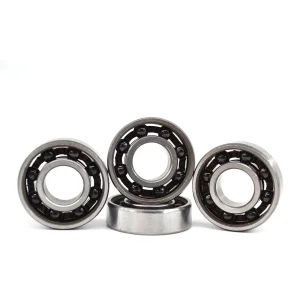
Hybrid: Ceramic balls combined with steel or stainless steel rings. Provides high load capacity, high speed capability, and moderate pricing.
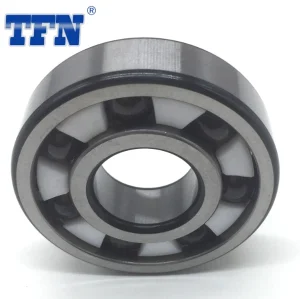
Full Ceramic: Ceramic rings and balls. Features complete insulation, extreme non-corrosive performance, and operates without any lubrication under high vacuums.
| Property | Silicon Nitride (Si3N4) | Zirconia (ZrO2) | High Carbon Chrome Steel (GCr15) |
|---|---|---|---|
| Density (g/cm³) | 3.2 | 6.0 | 7.8 |
| Elastic Modulus (GPa) | 310 | 200 | 208 |
| Coeff. of Thermal Expansion (10⁻⁶/K) | 3.2 | 10.3 | 12.5 |
| Hardness (HV) | 1400 - 1700 | 1100 - 1300 | 700 - 800 |
| Electrical Resistivity (Ω·m) | 10¹² (Insulator) | 10⁹ (Insulator) | 10⁻⁷ (Conductor) |
| Max Operating Temperature (°C) | 800°C | 500°C | 120°C |
Standard steel bearings fall short when confronted with extreme operational requirements. Our manufacturing engineering team collaborates with global partners to supply custom configurations that directly address structural and environmental failures in heavy-duty machinery.
Power Generation & Wind Turbines: Stray currents passing through steel bearings lead to electrical pitting and micro-cracking (fluting damage). Hybrid bearings with Si3N4 elements act as physical isolators, shutting down current conduction channels.
Chemical, Petroleum & Marine: Extreme corrosive media quickly degrades metallic components. Full ceramic Zirconia (ZrO2) bearings with PTFE or PEEK cages operate continuously in strong acids, high salinity, and hot water without corroding.
Precision Machine Tools & CNC: Spindles require minimal friction torque and thermal growth. Si3N4 balls possess superior surface finish and high elastic modulus, guaranteeing extreme dimensional accuracy at speeds exceeding 50,000 RPM.
Our Comprehensive Bearing Engineering Catalog Portfolio:
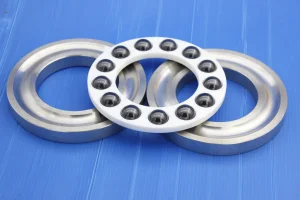
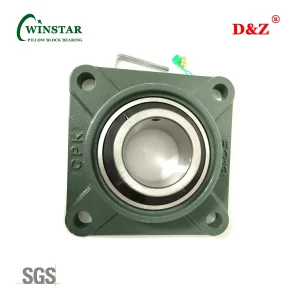
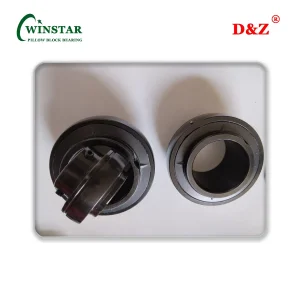
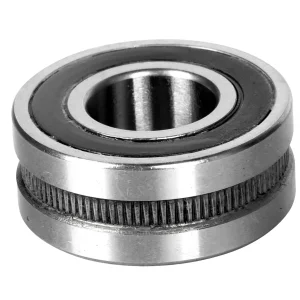
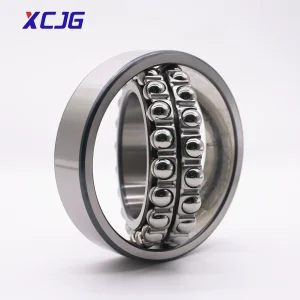
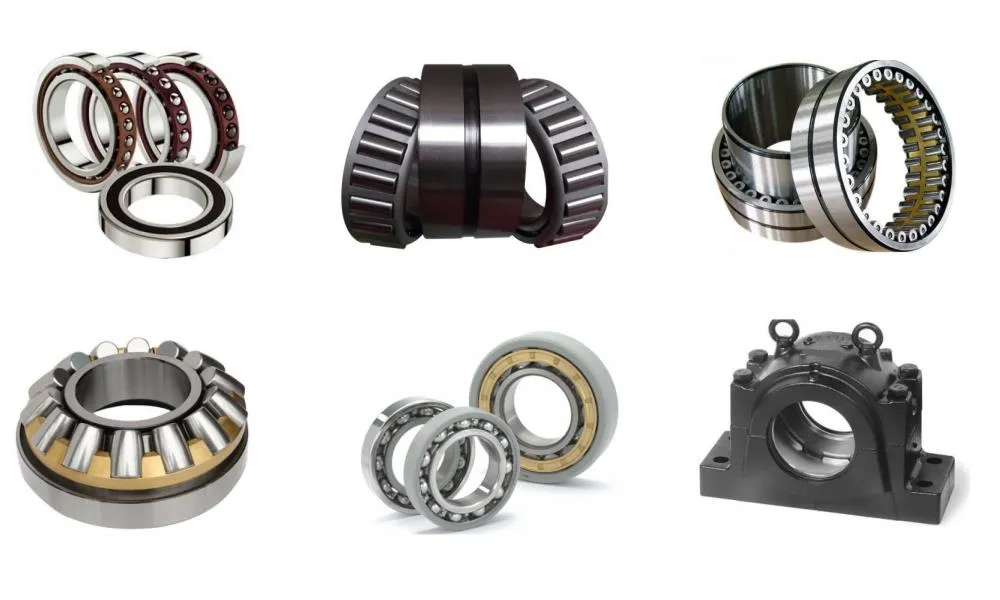
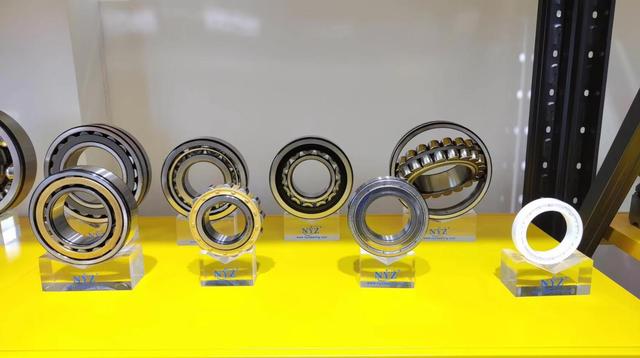
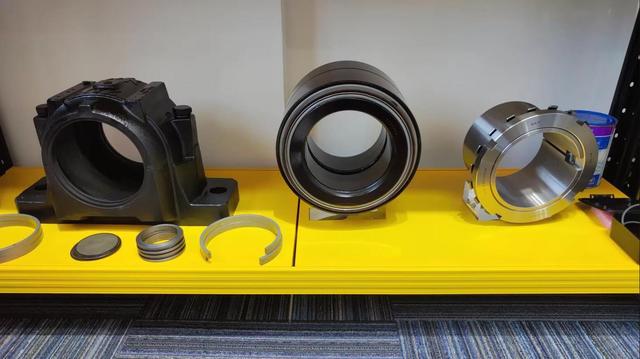
Our bearings portfolio covers a diverse range of standard and custom configurations including: deep groove bearings, self-aligning ball bearings, angular contact ball bearings, thrust ball bearings, cylindrical roller bearings, tapered roller bearings, spherical roller bearings, thrust cylindrical roller bearings, thrust spherical roller bearings, needle roller bearings, cross roller bearings, rolling mill bearings, pillow block bearings, joint bearings, and bearing accessories (sleeves and lock nuts).
For challenging applications demanding specialized parameters, we routinely design and manufacture non-standard bearings, automobile bearings, Mega-bearings, railway bearings, high-temperature bearings, and super-precision configurations.
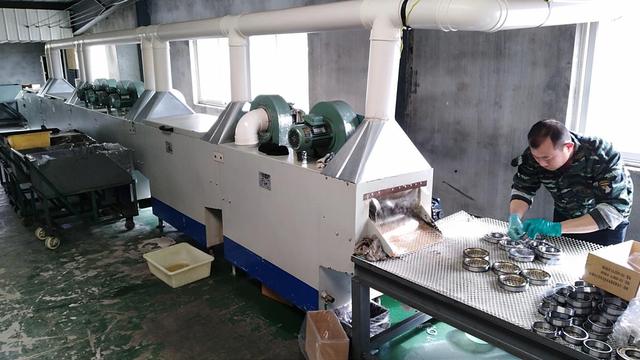
Reliability is the cornerstone of our global supply chain partnerships. Every shipment of ceramic rolling elements undergoes strict metallurgical and dimensional inspections.
We cooperate directly with global authorized testing branches. Every bearing batch is supplied with genuine material test reports (MTR), certificate of conformity, and heat-treatment logs traceably signed and stamped by the Chamber of Commerce. This guarantees that every hybrid or full ceramic bearing delivered is 100% original, brand-new, and built exactly to specification.
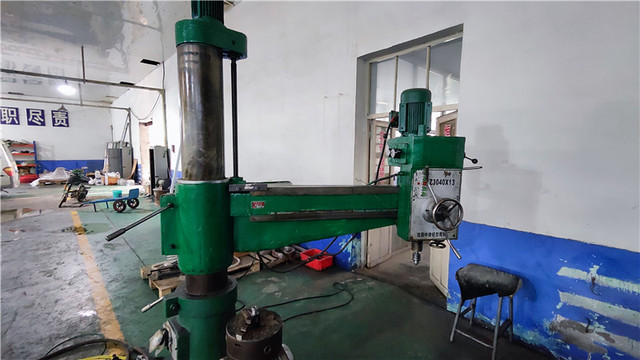
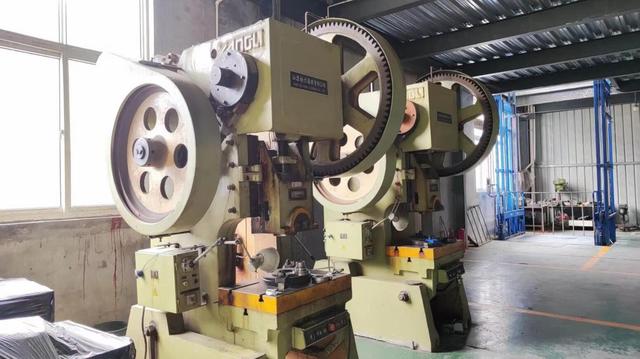
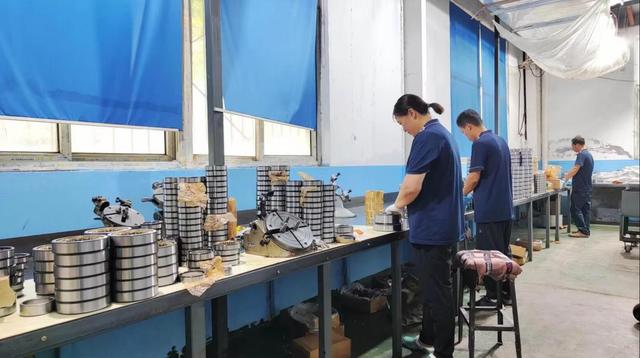
As machinery trends toward decarbonization, extreme electrification, and minimized lubrication, the role of ceramics will continue to expand. Our engineering roadmap points directly toward these goals.
Integrating solid lubricant particles (like Hexagonal Boron Nitride or Graphene nano-sheets) directly into the raw ceramic composite matrix before pressureless sintering. This enables zero-grease operations in high-vacuum space applications.
Embedding sub-millimeter piezoelectric sensors into the outer ring of hybrid ceramic bearings. This provides real-time digital monitoring of vibration, temperature, and electrical leakage, bringing IoT preventative maintenance to critical motors.
Developing specialized coatings to bridge the interface mismatch between carbon-carbon structures and ceramic rolling elements, drastically reducing Hertzian stress gradients and extending lifetime of ultra-high loads.
We guarantee a technical response within 12 hours. Our dedicated team is available via Phone, Email, Skype, WhatsApp, and WeChat to resolve inquiries, handle quotes, and provide application engineering support.
We design custom elements based directly on customer drawings or engineering samples. We offer custom materials, customized clearances, specialized lubricants, and robust OEM branding packaging to optimize your brand equity.
We take quality accountability seriously. If operational or tolerance deviations occur, our engineers provide prompt troubleshooting, site consultation, and fast replacement services to protect your operations.
Strict QA/QC Standards
 Ebmotrix Bearings